Peptide sourcing guides
Short answerThese peptide sourcing guides explain how to qualify a supplier, read a certificate of analysis, verify origin, compare wholesale quotes, import lawfully, and understand purity, endotoxin, sterility, lyophilization and synthesis. Each guide cites regulators and standards and is written for trade buyers.

Key facts
- Number of guides
- 17
- Written for
- Purchasing, QA, pharmacy, laboratory and brand teams
- Sources cited
- FDA, Federal Register, FTC, ICH, USP, ISO, MHRA, EMA
- Last reviewed
- November 2026
These peptide sourcing guides are written for trade buyers who need to make and document a purchasing decision. They explain how supply works, what evidence to ask for and which rules apply, with links to regulators, pharmacopoeias and standards bodies. They contain no medical content.
Start here
New buyers should read how to qualify a peptide supplier and how to read a peptide COA first. Together they cover the documents to request and how to verify them. A buyer who is ready to order should read your first wholesale peptide order, which walks through the quote, the proforma invoice, payment, dispatch and the checks to run when the lot arrives.
Where to start, by buyer type
| You are | Read first | Then |
|---|---|---|
| A distributor or importer | Importing peptides | Peptide storage and cold chain |
| A brand planning its own label | How to start a peptide brand | White label vs private label peptides |
| A pharmacy or manufacturer buying active | Peptide API supplier checklist | 503A and 503B peptide sourcing |
| A research institution or laboratory | How to read a peptide COA | HPLC purity explained |
| A purchasing manager comparing quotes | Wholesale peptide pricing | Minimum order quantities |
| Any buyer placing a first order | Your first wholesale peptide order | How to qualify a peptide supplier |
What the peptide sourcing guides cover
Commercial. Origin claims, pricing, minimums, private label and starting a brand within a lawful product class.
Regulatory. Import classification by country, grade and lawful buyer, US compounding rules under sections 503A and 503B, and the API supplier checklist for pharmacies and manufacturers.
Technical. HPLC purity, endotoxin and sterility testing, lyophilization, synthesis, and storage and cold chain for warehouse stock.
How the guides are maintained
Regulatory statements are dated and hedged where a rule is unsettled. Each guide shows its last update. Where a guide describes International Wholesale Peptides, it states only what applies to our own supply: trade-only sales, origin stated per lot, and a certificate of analysis that names the testing laboratory with every lot. See the quality page for our test panel, wholesale peptides for how ordering works, and the compounds index for product sheets. Verified businesses can begin on the application page.
 503A 503B peptide sourcing: what pharmacies need from an API supplierUnder section 503A, pharmacies compound for identified patients using bulk substances that meet statutory conditions. Section 503B outsourcing facilities use substances on FDA's 503B…
 Peptide endotoxin testing and sterility testingPeptide endotoxin testing measures bacterial endotoxins with LAL or recombinant reagents under USP <85> and <86>, reported in endotoxin units per milligram or per…How to qualify a peptide supplierTo qualify a peptide supplier, verify the legal entity, confirm where each lot is synthesized and filled, obtain lot-specific certificates of analysis from a…How to read a peptide COATo read a peptide COA, match the lot number to the label, confirm identity by comparing observed and theoretical mass, read HPLC purity as…
 How to start a peptide brand: the lawful routeTo start a peptide brand lawfully, choose a product class first: a cosmetic topical line sold under cosmetics law, or research supply to verified…
 Peptide HPLC purity explainedPeptide HPLC purity is the area of the target peptide peak divided by the total area of all integrated peaks in a reversed-phase chromatogram,…
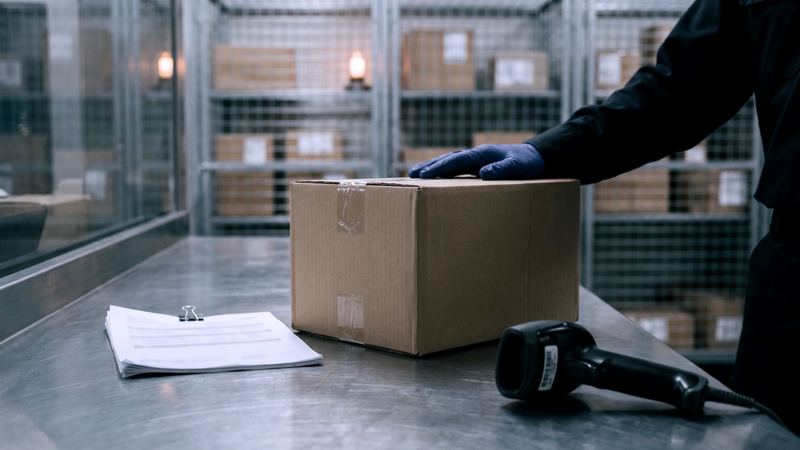 Importing peptides: classification, licensed importers and customsImporting peptides lawfully depends on how the destination country classifies the product: medicine, active ingredient, cosmetic ingredient or laboratory chemical. Classification follows presentation and…
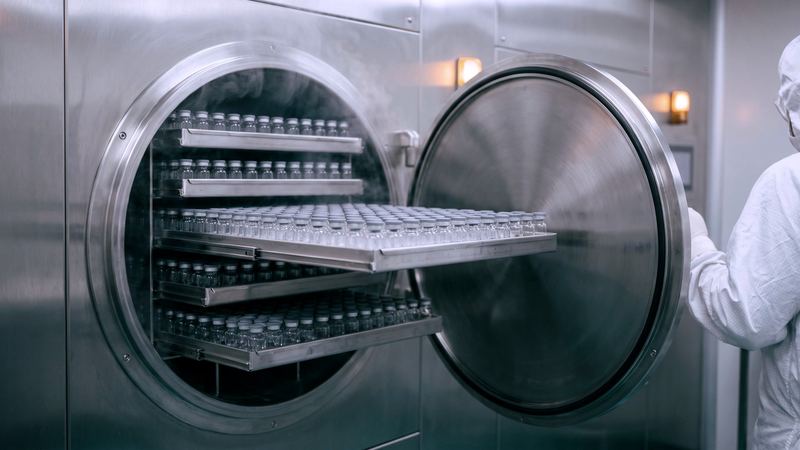 Peptide lyophilization explainedPeptide lyophilization is freeze-drying: the peptide solution is frozen, ice is removed by sublimation under vacuum in primary drying, and bound water is removed…
 Peptide minimum order quantity: how MOQs workA peptide minimum order quantity is the smallest amount a supplier will sell, set per item, per kit, per lot or as an order…
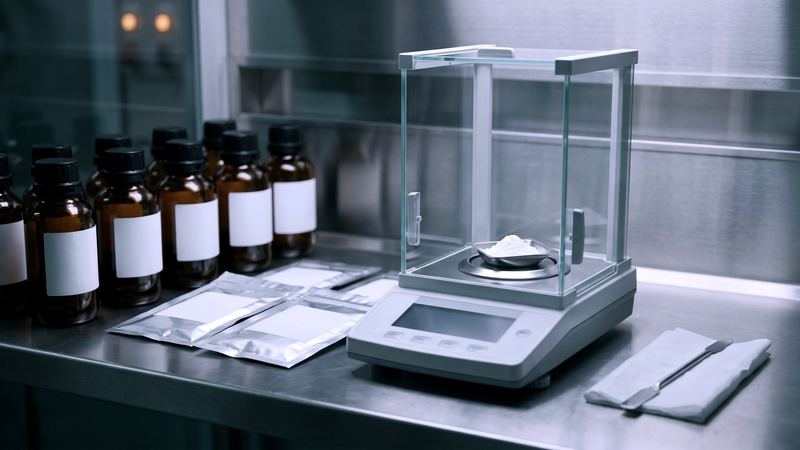 Peptide API supplier checklist for pharmacies and manufacturersA peptide API supplier should provide the original manufacturer's identity and FDA establishment registration, evidence of cGMP manufacture under ICH Q7, a lot-specific certificate…
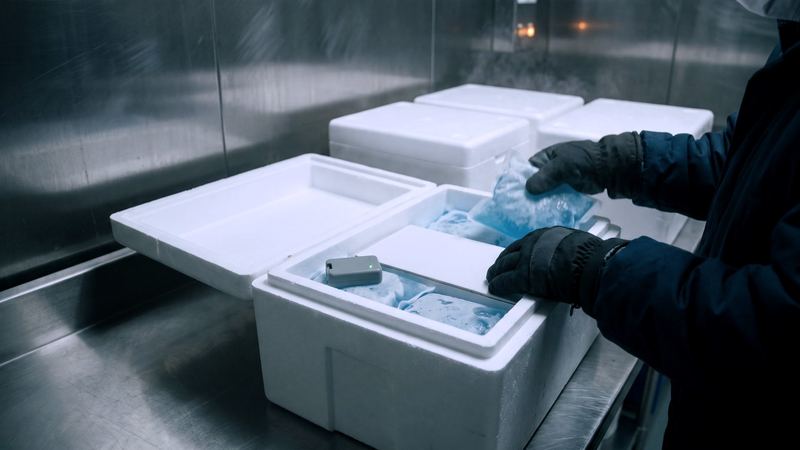 Peptide storage and shipping: cold chain for warehouse stockLyophilized peptide stock is stored sealed, dry, dark and cold, at the temperature on the label, commonly frozen for long-term holding or refrigerated for…
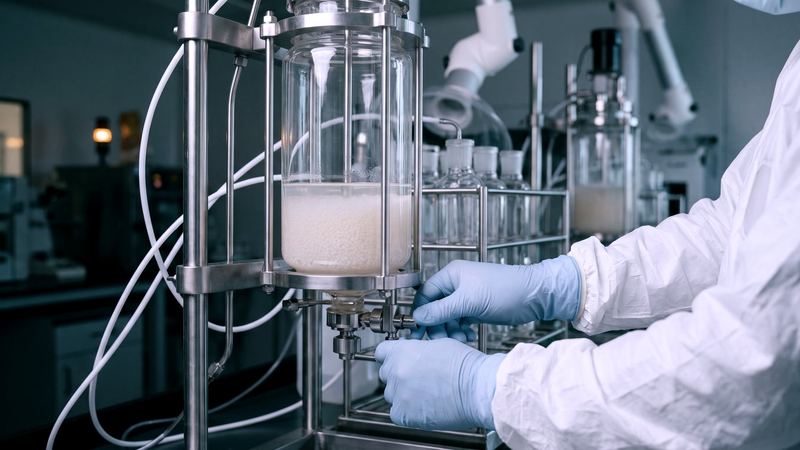 How peptides are synthesized: from resin to lyophilized powderMost commercial peptides are made by Fmoc solid-phase peptide synthesis: amino acids are coupled one at a time to a chain anchored on resin,…
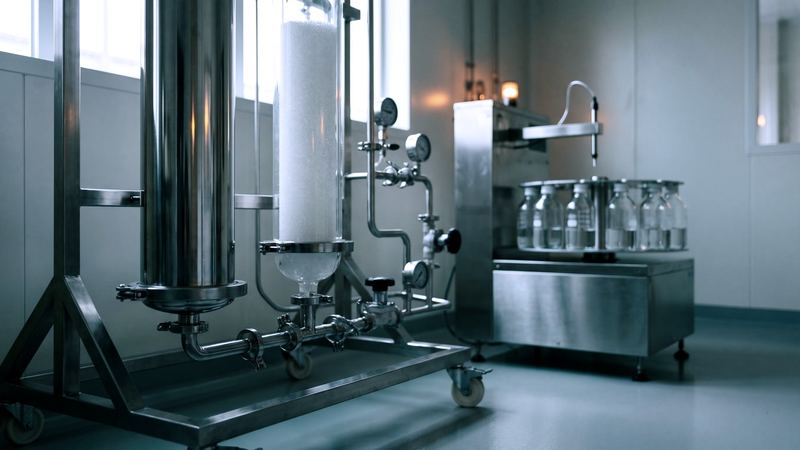 Research grade vs pharmaceutical grade peptidesResearch grade peptides are made and tested to a supplier's specification for laboratory research and are not for human or veterinary use. Pharmaceutical grade…US-made vs China-sourced peptides: how to tellYou cannot tell a peptide's origin from the vial. Origin is proven by documents: a batch record or certificate naming the synthesis site, a…
 White label vs private label peptidesWhite label peptides are a supplier's existing stock product sold under the buyer's brand with no change to the product. Private label peptides are…Wholesale peptide pricing: what drives it and how to compare quotesWholesale peptide pricing is set by synthesis scale, sequence length and difficulty, purity grade, origin, the testing panel, fill-and-finish format, cold chain and order…Your first wholesale peptide order, step by stepA first wholesale peptide order runs in seven steps: account approval, choosing an evaluation or production order, a written quote, a proforma invoice, payment…
Frequently asked questions
Who are these peptide sourcing guides written for?
They are written for professional buyers: purchasing managers, quality assurance leads, pharmacists, laboratory managers, distributors and brand founders. They cover procurement, documentation, testing and regulation. They contain no medical content and no instructions for human use.
Are the guides legal advice?
No. They are general information, dated November 2026, with links to primary sources. Rules differ by country and change. Buyers must confirm requirements for their product class and market with the relevant regulator or with counsel.
Which guide should a new buyer read first?
Start with how to qualify a peptide supplier, then how to read a peptide COA. Importers should add the importing guide. Pharmacies should read the 503A and 503B sourcing guide and the API supplier checklist.
Do the guides include prices or product recommendations?
No. The guides explain cost drivers, minimums and landed cost without market price figures, and they do not recommend products for any use. International Wholesale Peptides issues quotes only after business verification, and its own terms are stated where relevant.
Related pages
Peptide quality testing and documentationEvery International Wholesale Peptides lot ships with a certificate of analysis that names the testing laboratory and reports identity by mass spectrometry, purity by…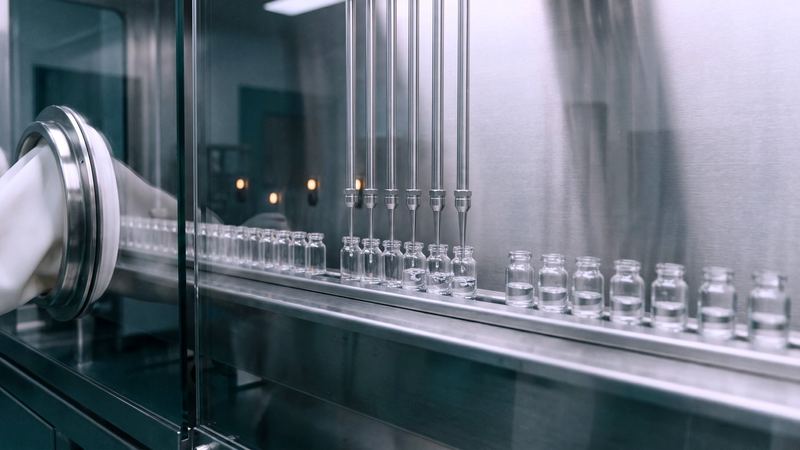 Wholesale peptides for verified trade buyersWholesale peptides are sold business to business in kits, bulk powder or private-label lots, not to individuals. International Wholesale Peptides supplies verified buyers under…
 Wholesale peptide catalogThe International Wholesale Peptides wholesale peptide catalog lists 45 compounds for verified trade buyers: 38 research-grade peptides, three cosmetic peptide actives and four non-peptide…
 Apply for a wholesale peptide accountTo apply for a wholesale peptide account with International Wholesale Peptides, submit your company details, buyer type, destination country and any license your product…