White label vs private label peptides
Short answerWhite label peptides are a supplier's existing stock product sold under the buyer's brand with no change to the product. Private label peptides are produced or packed to the buyer's specification, usually with reserved lots and exclusive artwork. In both cases the brand on the label carries regulatory responsibility.
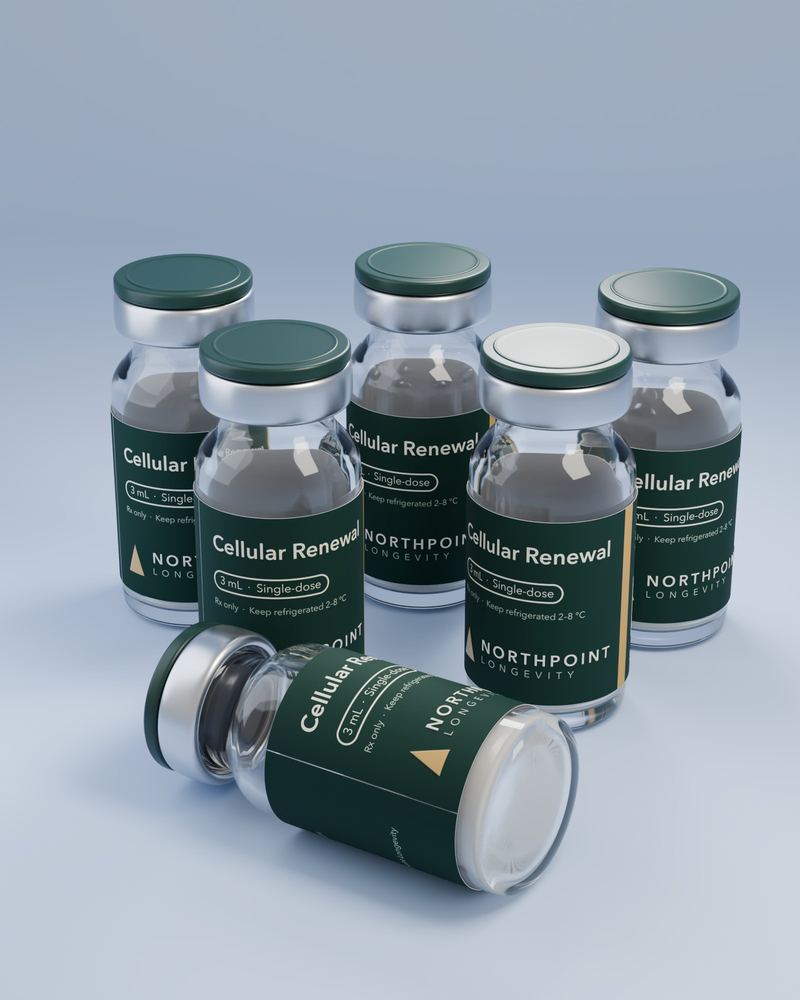
Key facts
- White label
- Supplier's standard product and pack, buyer's brand
- Private label
- Buyer's specification, artwork and often reserved lots
- Responsible party
- Normally the business named on the label
- Private label timeline at IWP
- 4 to 6 weeks from approved artwork
- Private label at IWP
- Minimum by format on the quote: typically 50 kits or 250 units
- Label rule that never changes
- A label does not change a product's regulatory classification
The terms white label vs private label peptides are often used as if they meant the same thing. They describe two different supply models with different minimums, timelines and control. This guide defines both, compares them, and explains who is the responsible party and which label rules apply.
What white label and private label mean
White label. The supplier makes one standard product and sells it to several buyers, each under its own brand. The product, fill, container and test panel are the supplier's. The buyer chooses a label.
Private label. The product, pack or lot is specified by the buyer and supplied to that buyer only. The buyer may set the compound list, fill quantity, container, kit configuration, artwork and release specification, within what the manufacturer can produce.
In practice many programs sit between the two. A buyer may take a standard item, add exclusive artwork and reserve a lot. The useful question is which elements are standard and which are exclusive.

White label vs private label peptides compared
| Feature | White label | Private label |
|---|---|---|
| Product specification | Supplier's standard | Buyer's, within manufacturer capability |
| Exclusivity | None; same product sold to others | Usually exclusive artwork; lots can be reserved |
| Artwork | Buyer's logo on a standard template | Buyer's full design |
| Lot allocation | From shared stock | Reserved or dedicated lot |
| Certificate of analysis | Supplier's lot certificate | Lot certificate, with buyer's product name by agreement |
| Minimum commitment | Lower | Higher |
| Timeline | Short; limited by label printing | Longer; artwork, allocation, testing |
| Unit cost | Lower setup cost | Higher setup cost, better at volume |
| Control over supply | Limited | Forward schedule possible |
| Differentiation | Brand only | Brand, pack and specification |
Who is the responsible party
Putting a brand on a product moves responsibility to the brand owner. The manufacturer remains responsible for making the product correctly. The business named on the label is normally the one regulators and customers hold accountable for what is sold, how it is labeled and what is claimed.
| Product class | Who is responsible | Framework |
|---|---|---|
| Cosmetic product, United States | The responsible person: the manufacturer, packer or distributor whose name appears on the label | Modernization of Cosmetics Regulation Act of 2022 |
| Cosmetic product, European Union | A responsible person established in the EU | Regulation (EC) No 1223/2009 |
| Research-grade peptide | The brand owner for labeling, claims and customer verification; the manufacturer for production | General product, chemical and consumer law; drug law if intended use is human |
| Bulk API for pharmacy use | The manufacturer and each registered party in the chain; the pharmacy for what it compounds | Drug law; see 503A and 503B peptide sourcing |
For cosmetics sold in the United States, the responsible person's duties include safety substantiation, product listing, labeling and serious adverse event reporting, as FDA describes on its MoCRA page. A private label agreement should state which party performs each duty.
Write the split into a quality agreement:
- Who approves the specification and any change to it.
- Who holds the batch record and for how long.
- Who releases each lot and on what evidence.
- Who handles complaints, adverse event reports and recalls.
- Who checks label text and claims before printing.
- Who verifies downstream customers where the product class is restricted.
What minimums and timelines to expect
Minimums and timelines vary by supplier and product class. The table gives the general pattern, not a quotation.
| Stage | White label | Private label |
|---|---|---|
| Buyer verification | Required | Required |
| Artwork | Template; days | Full design, proofing and approval; one to several weeks |
| Label printing | Short digital runs | Print run sized to the order |
| Lot | Existing stock | Reserved stock or scheduled production |
| Testing | Already complete on the stock lot | Complete on the allocated lot; added tests by agreement |
| Minimum | Set per item | Set per item and per print run, plus an account commitment |
Private label minimums are higher for three reasons. Labels are printed per run. A reserved lot cannot be sold to anyone else. Each buyer-specific configuration adds setup and line clearance. More detail is in minimum order quantities.
At International Wholesale Peptides, the private label minimum is set by format and stated on the quote: typically 50 kits (500 units) for vials, tablets and pet products, and 250 units for cosmetics and nasal sprays. A first private-label order takes 4 to 6 weeks from approved artwork. Accounts in the top price band can add a supply program, which is a forward schedule with reserved capacity. See private label peptides and private-label finished goods.
What label rules apply
A label describes a product. It does not decide what the product is in law. Regulators classify a product by its composition, presentation and intended use, including claims made in marketing. A research label on a product that is sold for human use does not keep it outside drug law.
| Product class | What the label must do | What it must not do |
|---|---|---|
| Research-grade peptide | Identify the compound, quantity, lot, storage condition and supplier; state that it is for laboratory research and not for human or veterinary use | Carry health claims, instructions for human use or consumer-style presentation |
| Cosmetic product | Follow cosmetics labeling law: identity, net quantity, ingredient declaration, responsible business name and address, warnings where required | Claim to treat or prevent disease or to affect the body's structure or function |
| Bulk API | Identify the substance, lot, manufacturer and storage; meet drug labeling rules for bulk substances | Be diverted to buyers who are not licensed to receive it |
For US cosmetics, FDA's cosmetics labeling guide and 21 CFR Part 701 set out the required elements. FDA explains how intended use separates a cosmetic from a drug on its page about cosmetics, drugs and products that are both.
Origin statements are label claims too. A label that says where a product was made must be accurate for that lot; see US-made vs imported peptides.
This section is general information as of November 2026. Label rules differ by country and change. Confirm the requirements for your product class and market with the regulator or with counsel before printing.
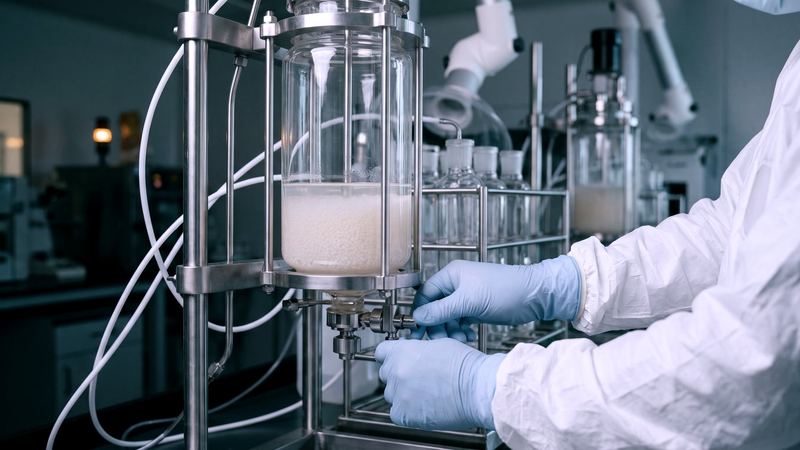
How to choose between the two models
| If you need | Consider |
|---|---|
| A fast start with a small catalogue | White label on stock items |
| Exclusive artwork and pack | Private label |
| Assured access to a specific lot | Private label with reserved lots |
| A buyer-specific specification or kit | Private label |
| The lowest setup cost | White label |
Whichever model you choose, ask for the same evidence: a lot-specific certificate of analysis that names the testing laboratory, an origin statement per lot and a written quality agreement. Brand founders can read how to start a peptide brand and the page for peptide brands. Skincare companies should start with the page for cosmetic brands.
Frequently asked questions
What is the difference between white label and private label peptides?
White label means the supplier's existing product is sold under your brand without changes to formula, fill or pack. Private label means the product, pack or lot is specified by you and is usually exclusive to you. Private label takes longer and requires larger commitments.
Who is legally responsible for a private label peptide product?
The business whose name appears on the label is normally the responsible party toward regulators and customers, even though another company manufactured the product. Under US cosmetics law, for example, the responsible person is the manufacturer, packer or distributor named on the label.
Can private label peptides be sold to consumers?
It depends on the product class. Cosmetic topical products that meet cosmetics law can be sold to consumers. Research-grade peptides are for laboratory research by verified institutions and are not for human or veterinary use, so a private label does not make them a consumer product.
How long does private label peptide production take?
Timelines depend on artwork approval, label printing, lot allocation and testing. At International Wholesale Peptides, private label takes 4 to 6 weeks from approved artwork. Custom specifications that need a new synthesis or a new fill take longer and are scheduled by agreement.
What minimums apply to private label peptides?
Private label minimums are higher than stock minimums because labels are printed per run and lots are allocated or produced for one buyer. At International Wholesale Peptides, the private label minimum is set by format and stated on the quote: typically 50 kits (500 units) for vials, tablets and pet products, and 250 units for cosmetics and nasal sprays.
Does my brand name have to appear with the manufacturer's name?
Rules differ by product class and country. Many labeling regimes require the name and address of a responsible business, which can be the distributor if the label says so, for example with a phrase such as distributed by. Check the rule for your class and market.
Related pages
Private label peptides for verified brandsPrivate label peptides are finished goods produced under a brand's own label. International Wholesale Peptides sets the minimum by format on the quote, typically…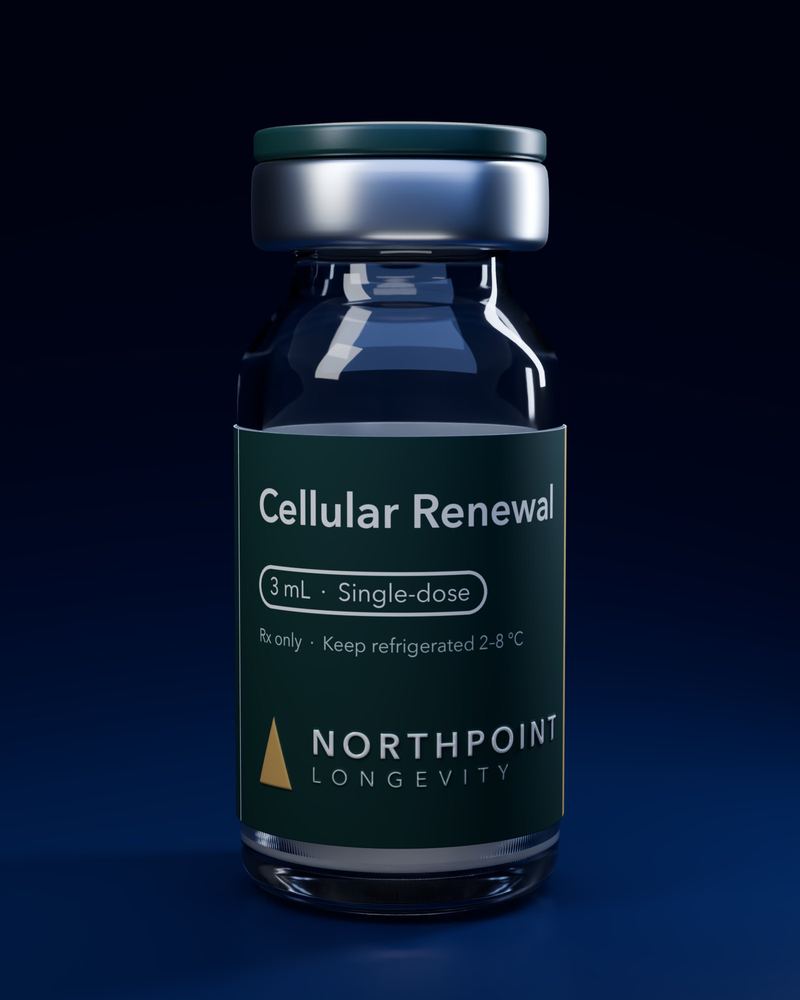 Peptide supplier for brandsInternational Wholesale Peptides is a trade-only peptide supplier for brands. Brands can test stock-list items on a one-time evaluation order from US$2,500, then order…
 Cosmetic peptide supplier for skincare brandsInternational Wholesale Peptides is a trade-only cosmetic peptide supplier. It sells topical peptide actives such as copper tripeptide-1, palmitoyl pentapeptide-4, acetyl hexapeptide-8 and acetyl…