How to start a peptide brand: the lawful route
Short answerTo start a peptide brand lawfully, choose a product class first: a cosmetic topical line sold under cosmetics law, or research supply to verified institutions. Then take on the responsible-party duties, keep claims within that class, document your supplier and lots, and build the private-label program.
Key facts
- First decision
- Product class, which fixes the customer and the rules
- Lawful class 1
- Cosmetic topical products for consumers
- Lawful class 2
- Research supply to verified institutions
- Not supplied by IWP
- Research-labeled injectable product for sale to consumers
- US cosmetics framework
- FD&C Act as amended by MoCRA
- EU cosmetics framework
- Regulation (EC) No 1223/2009
- Private label at IWP
- Minimum by format on the quote; first order 4 to 6 weeks from approved artwork
This guide explains how to start a peptide brand within the law. The order of decisions matters: product class first, then responsibilities, claims, payments, supplier and private label. It is general information as of November 2026 and not legal advice. Rules differ by country, so confirm your plan with the regulator or with counsel.
How to start a peptide brand: choose the product class first
A product's class decides who can buy it, what the label must say, what you may claim and which regulator you answer to. Choose it before the name or the artwork.
| Product class | Customer | Governing rules | Notes |
|---|---|---|---|
| Cosmetic topical products with peptide actives | Consumers and retailers | Cosmetics law | A lawful consumer model when claims stay cosmetic |
| Research supply | Verified research institutions, CROs and biotech laboratories | Chemical, product and trade law; drug law if intended use is human | For laboratory research; not for human or veterinary use |
| API for compounding or manufacturing | Licensed pharmacies and manufacturers | Drug law | A regulated supply business, not a consumer brand |
| Research-labeled injectable product sold to consumers | Individuals | Treated by regulators as unapproved drug sales | Not a lawful model; we do not supply it |
What regulators acted against in 2026
During 2026, FDA issued warning letters to online sellers of injectable peptide products that carried research labels and were marketed to consumers. FDA's position is that intended use is shown by the whole presentation: website claims, instructions for human use and the customers served. A disclaimer does not override that evidence. The letters are published in FDA's warning letters database.
International Wholesale Peptides does not supply that practice. We sell to verified businesses and institutions only, and research-grade product is for laboratory research by verified institutions.
What a responsible party must do
The brand on the label normally carries the regulatory duties.
Cosmetic brands in the United States
The Modernization of Cosmetics Regulation Act of 2022 defines the responsible person as the manufacturer, packer or distributor whose name appears on the label.
| Duty | What it involves |
|---|---|
| Product listing | List each marketed product and its ingredients with FDA |
| Facility registration | Manufacturing and processing facilities register with FDA |
| Safety substantiation | Hold records that adequately substantiate the product's safety |
| Serious adverse event reporting | Report to FDA within the statutory period and keep records |
| Labeling | Identity, net quantity, ingredient declaration, business name and address, contact for adverse event reports |
Exemptions for small businesses apply to some duties. Check FDA's page for the current scope.
Cosmetic brands in the European Union
Regulation (EC) No 1223/2009 requires a responsible person established in the EU, a product information file with a cosmetic product safety report, notification through the Cosmetic Products Notification Portal before placing the product on the market, and compliant labeling. The United Kingdom has its own parallel regime.
Research supply brands
A research supply brand has different duties.
- Verify that each customer is an institution or business with a legitimate laboratory use. Do not sell to individuals.
- Label the product for laboratory research and state that it is not for human or veterinary use.
- Publish no health claims and no instructions for human use.
- Present the product as a laboratory material, not as a consumer product.
- Keep lot traceability and customer records.
- Confirm the lawful route in each destination country before shipping.
What claims rules apply
Claims decide classification. FDA explains the test on its page about cosmetics, drugs and products that are both. A product intended to affect the structure or function of the body, or to address disease, is a drug even if it is sold as a cosmetic.
| Claim type | Cosmetic brand | Research supply brand |
|---|---|---|
| Appearance claims, such as "improves the look of skin" | Permitted when truthful and substantiated | Not applicable |
| Structure or function claims | Risk reclassification as a drug | Not permitted |
| Disease claims | Not permitted | Not permitted |
| Chemical and analytical facts: sequence, mass, purity | Permitted | Permitted |
| Neutral statements of research area | Use with care | Permitted when factual and not framed as a benefit |
| Testimonials about personal results | Count as claims | Not permitted |
| Origin claims | Must be accurate and qualified where needed | Must be accurate and qualified where needed |
Claims include more than label text. Website copy, social media posts, hashtags, images, customer reviews you publish and affiliate content all count. Origin claims have their own rule in the United States under the FTC.
What to expect from payment processing
Payment access is a practical constraint, described here neutrally.
| Reality | What it means for a new brand |
|---|---|
| Card networks and acquiring banks set their own category rules | A product can be lawful and still fall outside a processor's risk appetite |
| Underwriting looks at the website | Claims, product presentation and customer checks are reviewed |
| Documentation is requested | Company records, supplier agreements, certificates, product lists |
| Higher-risk categories carry conditions | Reserves, higher fees or volume caps are common |
| Accounts can be reviewed again | A change in products or claims can trigger a new review |
| Trade supply often runs on bank transfer | Business-to-business invoices are commonly settled by transfer |
Describe the business accurately in every application. Misdescribing products to a processor breaches the processing agreement and can end the account. At International Wholesale Peptides, orders are prepaid by bank wire or ACH, and cards are not accepted.
What supplier documentation to hold
| Document | Purpose |
|---|---|
| Lot-specific certificate of analysis naming the laboratory | Evidence of identity, purity and content |
| Specification | The standard each lot is released against |
| Origin statement per lot | Supports accurate origin wording |
| Safety data sheet | Handling and transport |
| Ingredient information for cosmetics | INCI name, composition and impurity data for safety assessment |
| Quality agreement | Change notification, complaints, recalls, record retention |
| Stability and storage data | Supports dating and storage statements |
The review process is set out in how to qualify a peptide supplier. Cosmetic ingredients are described on the cosmetic peptide actives page.

What the private-label steps are
- Fix the product class and market. Write down the class, the customer and the countries.
- Take advice. Confirm classification, labeling and claims for each market.
- Apply and verify. Complete supplier verification as a business.
- Select products. Choose compounds or actives, format and pack.
- Agree the specification and quality agreement. Include change control and complaint handling.
- Prepare artwork. Draft label text first, check it against the rules, then design.
- Approve proofs. Sign off the final artwork and the label claims.
- Allocate or produce the lot. Receive the certificate of analysis for your lot.
- Complete registrations. For cosmetics, complete listings and notifications before sale.
- Launch with controls. Put customer verification, complaint handling and record keeping in place from the first sale.
Models are compared in white label vs private label peptides.
How International Wholesale Peptides works with brands
At International Wholesale Peptides, the private label minimum is set by format and stated on the quote: typically 50 kits (500 units) for vials, tablets and pet products, and 250 units for cosmetics and nasal sprays. A first private-label order takes 4 to 6 weeks from approved artwork. A first order of made-to-order product starts from US$10,000. A brand that wants to test first can place one evaluation order of stock-list items from US$2,500. We do not sell to a brand's customers, we do not contact them, and our name does not appear on the label or parcel unless the brand asks for it. Read the pages for peptide brands, cosmetic brands and private label peptides, then use the application page.
Frequently asked questions
Is it lawful to start a peptide brand?
Yes, within a defined product class. A cosmetic topical line that meets cosmetics law, or a research supply business that sells only to verified institutions, are lawful models in many countries. Rules differ by country, so confirm your class and market with the regulator or counsel.
Can a peptide brand sell research-labeled vials to consumers?
No. Selling injectable research-labeled product to consumers is the practice regulators acted against in 2026. A research label does not change a product's classification when its marketing and customers show human use. International Wholesale Peptides does not supply that model.
What claims can a cosmetic peptide brand make?
Cosmetic claims are limited to cleansing, beautifying, promoting attractiveness or altering appearance. A claim that a product affects the structure or function of the body, or addresses a disease, can make it a drug in the United States. Claims must also be truthful and substantiated.
Who is the responsible party for a private-label cosmetic?
In the United States, the responsible person is the manufacturer, packer or distributor whose name appears on the label. In the European Union, a responsible person established in the EU must be designated. A brand that puts its name on the label normally takes that role.
Why do payment processors review peptide brands closely?
Card networks and acquiring banks apply their own risk rules to product categories with regulatory exposure. They may ask for product lists, supplier documents, website review and evidence of customer verification. A business with a clear product class and compliant claims is easier to underwrite.
What do I need from a supplier to start a peptide brand?
A lot-specific certificate of analysis that names the testing laboratory, an origin statement per lot, a specification, a safety data sheet, a written quality agreement covering changes and complaints, and for cosmetics the ingredient information needed for safety assessment and labeling.
Related pages
Peptide supplier for brandsInternational Wholesale Peptides is a trade-only peptide supplier for brands. Brands can test stock-list items on a one-time evaluation order from US$2,500, then order… Cosmetic peptide supplier for skincare brandsInternational Wholesale Peptides is a trade-only cosmetic peptide supplier. It sells topical peptide actives such as copper tripeptide-1, palmitoyl pentapeptide-4, acetyl hexapeptide-8 and acetyl…
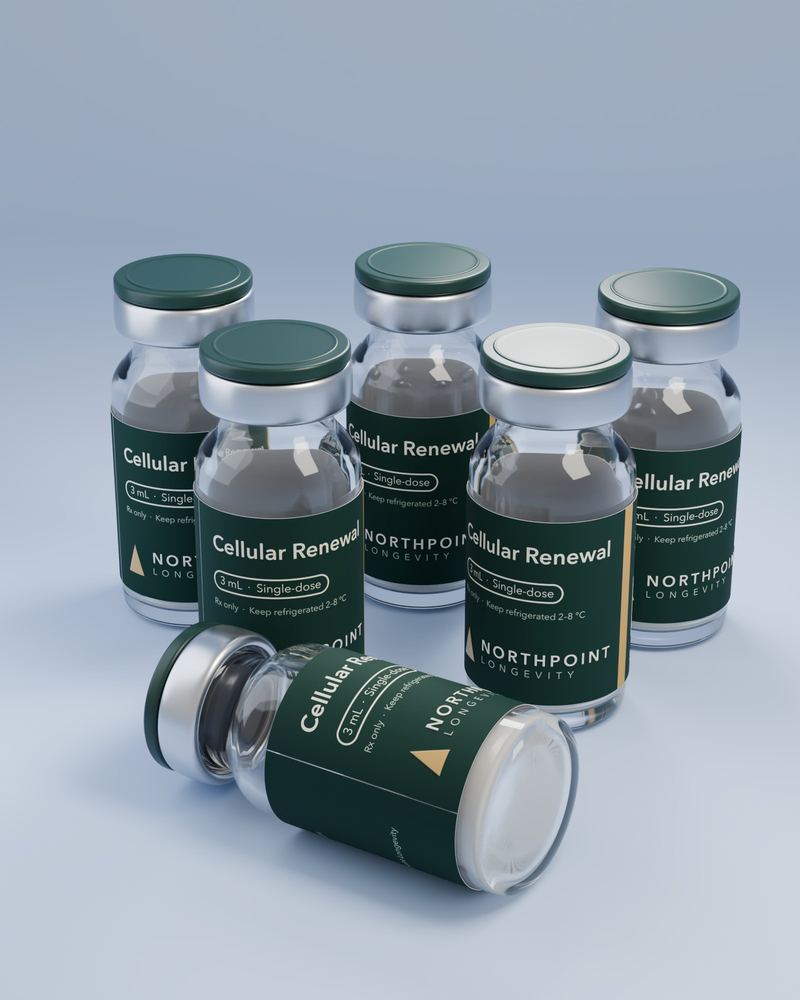 Private label peptides for verified brandsPrivate label peptides are finished goods produced under a brand's own label. International Wholesale Peptides sets the minimum by format on the quote, typically…Cosmetic peptide actives wholesaleInternational Wholesale Peptides sells cosmetic peptide actives wholesale to brands, contract manufacturers and ingredient distributors. Actives such as copper tripeptide-1, palmitoyl pentapeptide-4, acetyl hexapeptide-8…