US-synthesized peptides: the USA-Synthesized Line
Short answerInternational Wholesale Peptides supplies a USA-Synthesized Line to verified trade buyers. The active ingredient is synthesized in the United States, and each lot file names the synthesis site and the fill-and-finish site and discloses imported inputs. It is a qualified origin statement, not an unqualified claim.
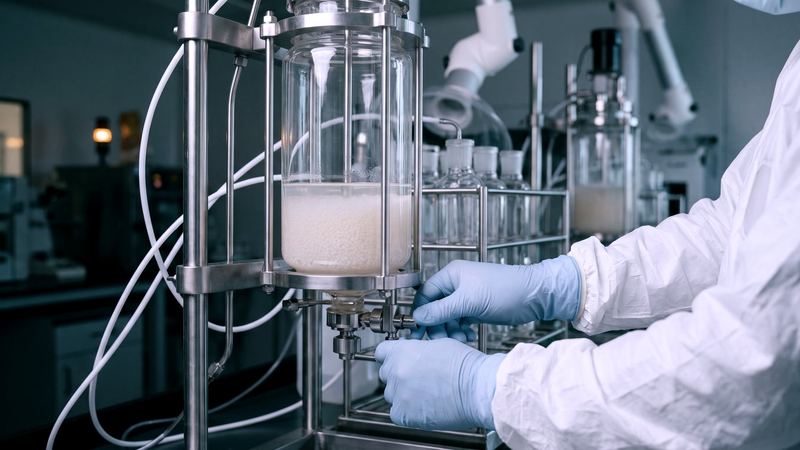
- Origin wording
- Active ingredient synthesized in the United States
- Synthesis site
- Named in the lot file
- Fill-and-finish site
- Named in the lot file
- Imported inputs
- Disclosed per lot
- Testing
- Certificate of analysis naming the testing laboratory
- Origin options
- USA-Synthesized, US-Finished and Standard; this page covers the first
Where each line is made, in writing.
The lot file names the sites for the USA-Synthesized Line.
- Active ingredient made in
- United States
- Filled, finished and tested in
- United States
- Documents
- Certificate of analysis and origin file
- Suits
- Buyers who must document US origin
- Active ingredient made in
- Outside the United States, source country disclosed
- Filled, finished and tested in
- United States
- Documents
- Certificate of analysis and origin statement
- Suits
- Buyers who want US finishing and testing
- Active ingredient made in
- Outside the United States
- Filled, finished and tested in
- Outside the United States
- Documents
- Certificate of analysis and origin statement
- Suits
- Buyers who buy on price
Buyers looking for a US made peptides supplier need a precise answer about what was made where. International Wholesale Peptides (IWP) offers a USA-Synthesized Line in which the active ingredient is synthesized in the United States. Each lot file names the synthesis site and the fill-and-finish site and discloses imported inputs. This page explains the wording, the documents and a checklist that works on any supplier.
What a US made peptides supplier should be able to show
Search terms such as "american made peptides" or "peptides made in the USA" describe what buyers want. They do not describe a document. An origin claim is only as good as the records behind it.
A supplier making a US origin claim should be able to name the site where the peptide chain was built, name the site where it was filled, and show how the lot moved between them. The certificate of analysis should carry the same lot number as the label. Our USA-Synthesized Line is built around those records.
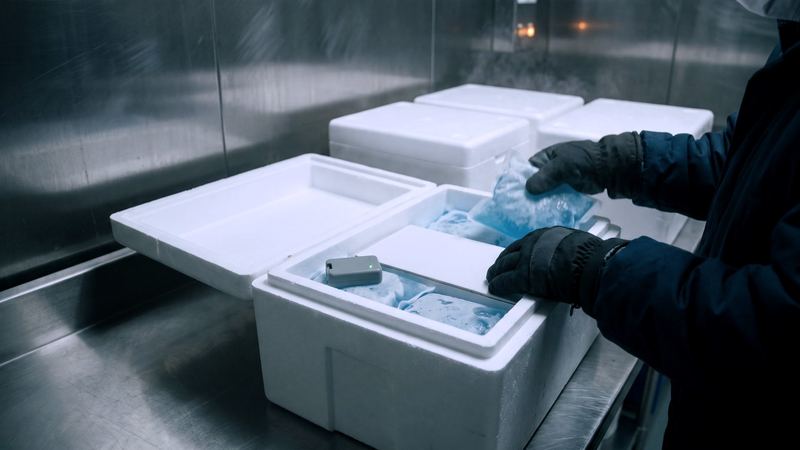
What "synthesized in the United States" covers and does not cover
We use qualified origin wording. We do not make an unqualified US origin claim, because under the Federal Trade Commission standard such a claim means that all or virtually all of a product is made in the United States. A synthetic peptide rarely meets that test, since many raw materials are produced abroad.
| The wording covers | The wording does not cover |
|---|---|
| Solid-phase assembly of the peptide chain at a named US site | The origin of protected amino acids, resins, reagents and solvents |
| Cleavage from the resin and deprotection at that site | The origin of vials, stoppers and seals |
| Purification by preparative HPLC and salt exchange of the active ingredient | The location of fill and finish, which is named separately in the lot file |
| Isolation of the active ingredient as a lyophilized powder | Any statement that a product or site is approved by FDA |
| The lot's link to that synthesis batch | Any statement about compliance beyond what the lot documents show |
Two points follow. First, purifying or vialing an imported crude peptide in the United States is not synthesis in the United States, and we do not describe it that way. We call that US-Finished and state the source country of the active. Second, imported inputs are normal. The lot file lists them so a buyer can see them instead of guessing. The peptide synthesis guide explains each manufacturing step.
What the lot origin file contains
Every USA-Synthesized lot has a lot origin file. It sits alongside the certificate of analysis.
| Document | What it states |
|---|---|
| Synthesis site statement | The name and address of the US site where the active ingredient was synthesized |
| Fill-and-finish site statement | The name and address of the site that filled, lyophilized, stoppered and sealed the units |
| Batch reference and lot genealogy | The synthesis batch number and the filled lot number it became |
| Imported inputs disclosure | Inputs of non-US origin used in the lot, by category |
| Chain of custody record | Dated transfers from synthesis site to fill site to our dispatch |
| Certificate of analysis | Identity, purity, peptide content and, where relevant, endotoxin and sterility, with the named testing laboratory |
The executed batch record itself is the manufacturer's controlled document. The lot origin file gives the batch reference that the record is filed under. Requests from qualified buyers to review manufacturing records are handled case by case under a confidentiality agreement.
How to tell where a peptide was made
These ten checks work on any supplier, including us.
- Ask for the synthesis site by legal name and street address. A country is not an answer. A named site can be looked up.
- Ask where fill and finish took place. Synthesis and filling are often done by different companies in different places.
- Check the site against public registers. FDA publishes an establishment registration database. As of November 2026, registration is not approval and does not by itself prove compliance with cGMP.
- Match the lot number across label, certificate and lookup. One lot, one number, one certificate.
- Check that the certificate names the testing laboratory. Contact the laboratory if a report needs confirming.
- Ask for the batch reference and lot genealogy. The synthesis batch should trace to the filled lot, and the quantities should reconcile.
- Ask for the chain of custody. Dated transfer records should cover every move from synthesis to dispatch.
- Ask which inputs were imported. In particular, ask whether crude or purified peptide was imported at any stage.
- Read the origin wording itself. Qualified wording that names a step is checkable. A flag graphic and a slogan are not.
- Compare with the shipping documents. The country of origin declared on the commercial invoice should agree with the claim.
A supplier who answers all ten in writing has given a buyer something to audit. The guide on US made versus imported peptides discusses the trade-offs in more depth, and the supplier qualification guide covers the wider review.
How the three origin statements compare
Every lot carries one of three origin statements. This page covers the first.
| Origin statement on the lot | Active made | Filled, finished and tested | Price position |
|---|---|---|---|
| USA-Synthesized | United States, at a site named in the lot file | United States | Premium |
| US-Finished | Outside the United States, source country disclosed | United States: filled, freeze-dried, finished and tested | Middle |
| Standard | Outside the United States | Outside the United States | Lower |
| What is the same for all three | Detail |
|---|---|
| Certificate of analysis | Per lot, testing laboratory named |
| Tests reported | Identity, purity, peptide content, and endotoxin and sterility where relevant |
| Lot lookup | Yes |
| Commercial terms | The same order-value bands, per-item breaks, payment and claims terms |
| Origin statement | Typical buyer |
|---|---|
| USA-Synthesized | Buyers whose customers or regulators ask for a named US synthesis site |
| US-Finished | Buyers who want US filling, finishing and testing with the source of the active disclosed |
| Standard | Buyers who need a documented lot at a lower cost |
No origin option is described as purer than another. Each lot stands on its own certificate, and the same test panel is reported for all three. Purity and peptide content are different numbers, and both must be checked against the quantity on the label. Our quality page lists the tests, and any lot can be checked through lot lookup. Prices for each origin statement are on the trade price list, which is sent with account approval under the wholesale terms.
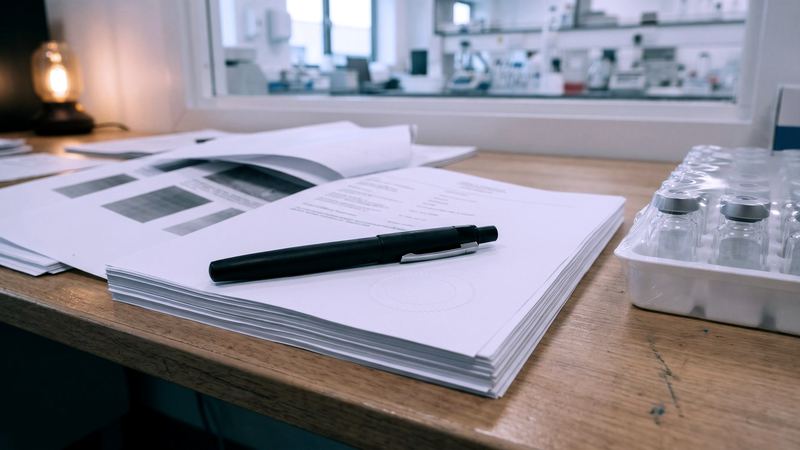
USA made research peptides and other product classes in this line
Availability by item is confirmed on the quote. Research-grade vials are for laboratory research by verified institutions; not for human or veterinary use. Bulk powder is for licensed pharmacies and manufacturers, who carry out their own supplier qualification. A named synthesis site lets a pharmacy check the site's registration status directly.
US made peptides shipped to the UK, Canada and other countries
Every country has its own rules. We ship USA-Synthesized lots only where a lawful route exists for that product and buyer. In practice that is normally a licensed importer or a licensed pharmacy in the destination country. We confirm the route in writing before taking an order.
Buyers in the United Kingdom and Canada should start with the UK page and the Canada page. The origin documents travel with the shipment, so the importer can present the same synthesis site statement to a customer or an inspector. We supply worldwide wherever a lawful route exists for the product and the buyer. Every country is assessed on request, and where a market restricts a product class the route is assessed case by case and confirmed in writing.
Accounts are open to verified businesses and institutions only. To request a quote for this line, apply for a trade account.
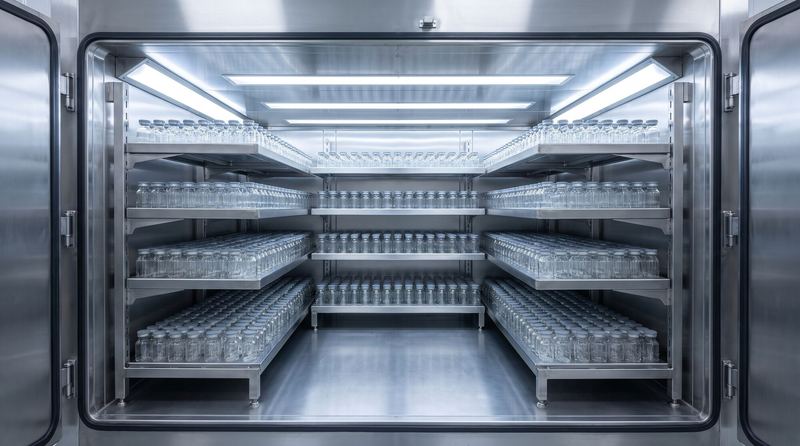
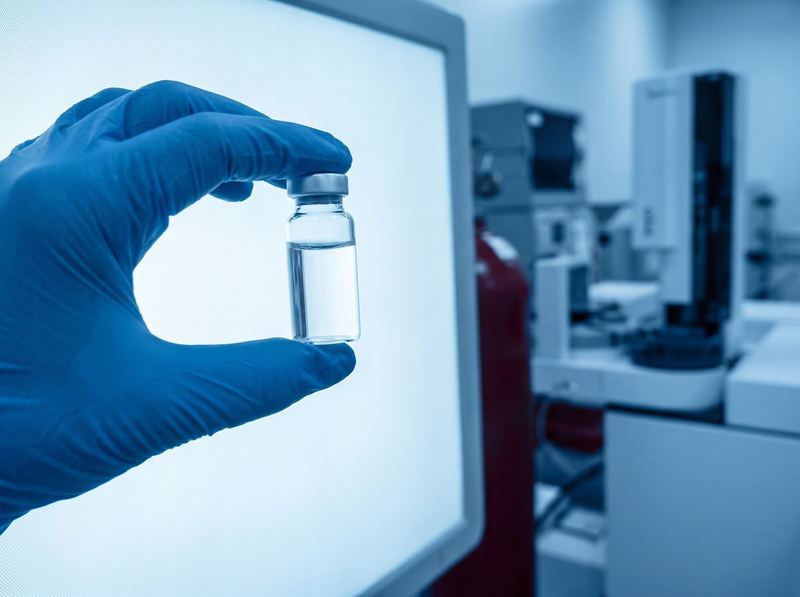
How lots are made
Frequently asked questions
What does 'synthesized in the United States' mean on an IWP lot?
It means the peptide active ingredient was chemically synthesized at a site in the United States, and that site is named in the lot file. It does not mean every input is of US origin. Imported inputs such as protected amino acids, resins or packaging components are disclosed in the same file.
How can a buyer tell where a peptide was made?
Ask for the synthesis site by name and address, the fill-and-finish site, the batch reference, the chain of custody and a list of imported inputs. Then check that the certificate of analysis, the vial label and the lot record all carry the same lot number and the same origin statement.
Are american made peptides better than imported ones?
Origin is not a test result. A lot is judged on its certificate: identity, purity, peptide content and, where relevant, endotoxin and sterility. US synthesis gives a shorter, more inspectable supply chain and a named domestic site. Lots under all three of our origin statements carry a certificate that names the testing laboratory.
Does FDA registration of a site mean the peptide is FDA approved?
No. As of November 2026, establishment registration with FDA is a listing requirement. It is not an approval of the site or of any product, and it does not by itself show compliance with current good manufacturing practice. Buyers should use registration as one check among several.
Do you ship US made peptides to the UK or Canada?
USA-Synthesized lots are supplied internationally only where a lawful route exists for the product and the buyer, normally through a licensed importer or licensed pharmacy in the destination country. For the UK and Canada, the route is confirmed in writing before an order is accepted.
Who can buy USA made research peptides from IWP?
Research-grade vials in the USA-Synthesized Line are sold to verified research institutions and trade buyers who supply them. They are for laboratory research by verified institutions; not for human or veterinary use. Individuals cannot open an account, and every application goes through business verification.
Why does a USA-Synthesized lot cost more than a US-Finished or Standard lot?
Synthesis in the United States carries higher labor, facility and compliance costs than manufacture of the active abroad, and the lot origin file adds documentation work. US-Finished lots use an imported active with the source country disclosed and are finished in the United States. Standard lots are made and finished outside the United States and are priced lower.
What is the difference between USA-Synthesized and US-Finished?
In a USA-Synthesized lot the active is made in the United States and the lot is filled, finished and tested there. In a US-Finished lot the active is made outside the United States, with the source country disclosed, and the lot is filled, freeze-dried, finished and tested in the United States. The statement is printed per lot.
Related pages
US-made vs China-sourced peptides: how to tellYou cannot tell a peptide's origin from the vial. Origin is proven by documents: a batch record or certificate naming the synthesis site, a…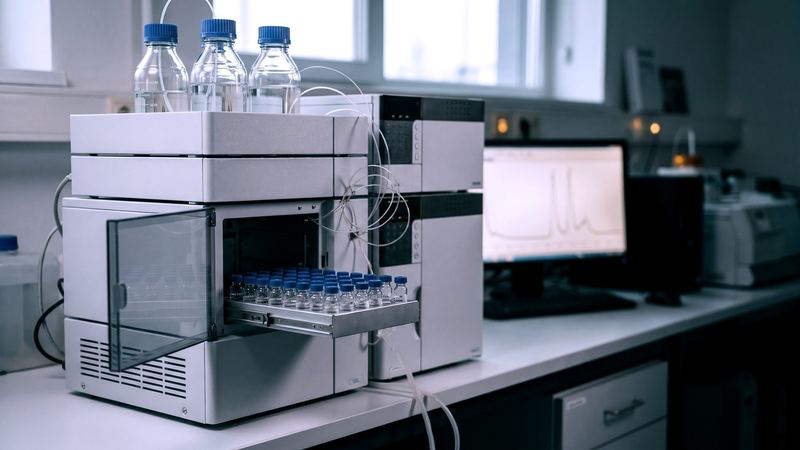 Peptide quality testing and documentationEvery International Wholesale Peptides lot ships with a certificate of analysis that names the testing laboratory and reports identity by mass spectrometry, purity by…Peptide certificate of analysis: what ours shows and how to verify itA peptide certificate of analysis should name the product, lot number, manufacturing origin and testing laboratory, and report identity by mass spectrometry, purity by…
 Wholesale peptides for verified trade buyersWholesale peptides are sold business to business in kits, bulk powder or private-label lots, not to individuals. International Wholesale Peptides supplies verified buyers under…