Peptide brokers and introducers
Short answerA peptide broker or introducer works with International Wholesale Peptides by introducing a verified business buyer. The buyer holds the account, signs the agreement and pays IWP directly. The broker holds no stock and takes no title. Its introduction is registered, and its fee is set in a written agreement.
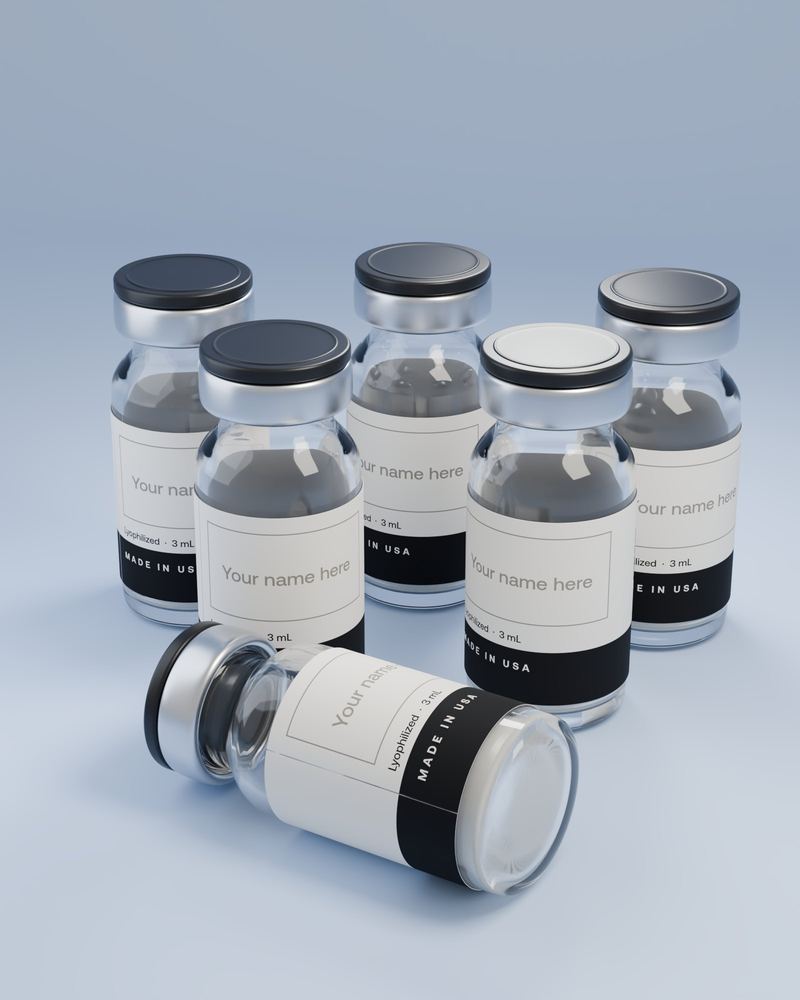
- What a broker does
- Introduces a verified business buyer
- Who holds the account
- The buyer, in its own name
- Stock and title
- The broker holds no stock and takes no title
- Registration
- Introductions are registered so they are credited correctly
- Fee
- Set in a written agreement; never per patient or per prescription
- Buying in its own name
- A broker that takes title applies as a distributor
A peptide broker or introducer brings a buyer and a supplier together without holding stock. International Wholesale Peptides (IWP) works with brokers who introduce verified business buyers: the buyer holds the account and pays us directly, and the broker's introduction is registered. This page explains how that works and where a broker becomes a distributor.
Who this page is for
This page is for independent brokers, sourcing agents, consultants and introducers who have a buyer and need a documented supplier. It is distinct from the page for sales agents and rep groups, who represent the range on a continuing basis.
Peptide broker, sales agent or distributor: which one applies
| Role | Takes title to goods | Who we invoice | Agreement |
|---|---|---|---|
| Broker or introducer | No | The buyer | Introduction agreement, per buyer or per order |
| Sales agent or rep group | No | The buyer | Agent agreement, continuing |
| Distributor or importer | Yes | The distributor | Trade account agreement, with customer registration |
A broker that wants to be invoiced, add a margin and resell is a distributor. The distributors page sets out those terms.
How an introduction runs
- Register the introduction. The broker sends the buyer's legal name, country and product class. We check it against existing accounts and registered customers and confirm in writing whether the introduction is accepted.
- The buyer applies. The buyer completes the application in its own name. Verification covers the legal entity and the licenses the product class and destination require.
- The route is confirmed in writing. Each order ships by the lawful route for that product and buyer.
- The buyer receives its account. The price list at every band, the stock list and the documents for each lot go to the buyer, from a named account manager.
- The buyer orders and pays. Payment is by bank wire or ACH, prepaid, from the buyer to us. We do not accept payment for goods from a third party that is not the account holder.
- The broker is paid. The fee is paid under the written agreement, on product sold and paid for.
What a broker may and may not say
| A broker may state | A broker may not state |
|---|---|
| Compound identity, form and specification | Medical claims or statements about effects on the body |
| What a lot's certificate reports, and that it names the testing laboratory | That a product is approved, or lawful in a country in general terms |
| Origin exactly as stated in the lot file | Unqualified origin claims |
| How price bands work and how to apply | A price as fixed. Prices are on the quote only |
A fee is never paid per patient, per prescription or per referral of an individual. A broker may not introduce an individual, and may not present a research-use-only product for any use other than the one on its label: "For research use only. Not for human or veterinary use."
Large and unusual enquiries
Brokers often carry large enquiries: kilogram quantities of bulk active, a tender, or a private-label run for a chain. For these we ask for the buyer's identity early, because the route and the documents depend on who the buyer is. Bulk enquiries usually begin with a small test quantity before a production order; the bulk peptides page explains the steps.

Documents with every lot
Every lot ships with a certificate of analysis that names the testing laboratory, and origin is stated per lot under one of three origin statements: USA-Synthesized, US-Finished or Standard. Purity and peptide content are different numbers, and both should be checked against the label quantity. Any lot number can be checked on the lot lookup, and the quality page lists what is tested.
Accounts, price bands and orders
The path is apply, business verification, account approval, quote, order. On approval the account receives the trade price list at every band, the current stock list with lot and expiry, and the documents for each lot, from a named account manager. No prices are public.
| Order value | Price band |
|---|---|
| Under US$10,000 | First band |
| US$10,000 to US$20,000 | Second band |
| US$20,000 to US$30,000 | Third band |
| US$30,000 and over | Lowest price |
A one-time evaluation order of stock-list items starts from US$2,500, so a buyer can test before a production order. A first order of made-to-order product starts from US$10,000. Orders are prepaid by bank wire or ACH; cards are not accepted. Stock-list items leave in 2 to 5 business days, most product is made to order in about 3 weeks, and a first own-label order takes 4 to 6 weeks from approved artwork. Once an account reaches a price level on an item, later orders of that item keep it. The page on how a trade account works sets out each step, and the full conditions are in the trade terms.
What we need at application
| Item | Why we ask |
|---|---|
| Broker's legal name or company, and country | To prepare the introduction agreement |
| The buyer's legal name, country and buyer type | To check for an existing account or registration |
| Product class, items and quantity | To assess the route and capacity |
| Whether the broker also acts for the buyer | To record the relationship accurately |
| Whether the broker wants to take title | To decide whether a distributor account applies |
Apply through the application page. Other buyer types are listed on the buyers hub.
Frequently asked questions
How does a broker work with IWP?
A broker introduces a verified business buyer for a specific order or an ongoing account. The buyer applies, is verified, signs the trade account agreement and pays us directly. The broker's introduction is registered and its fee is paid under a written agreement.
What is the difference between a broker and a sales agent?
A sales agent represents our range to many buyers on a continuing basis under an agent agreement. A broker or introducer brings a particular buyer or order, often once, and may also act for the buyer. Both are paid only on product sold to verified business accounts.
Can a broker place an order and be invoiced for it?
Only as a buyer. A party that is invoiced takes title and is treated as a distributor or importer: it is verified, holds the licenses its product class and country require, and signs the trade account agreement in its own name.
Is a broker's introduction protected?
Yes. The introduction is registered against the buyer. We do not sell around the parties we work with, and the written agreement states how long the registration runs and what happens if the buyer was already known to us.
Can a broker see prices before introducing a buyer?
No prices are public. The price list is sent to the verified buyer on approval. A broker can ask for a 20-minute walkthrough of how the account works, which shows the layout of the price list and stock list.
Related pages
 Peptide sales agent program for independent agents and rep groupsThe International Wholesale Peptides peptide sales agent program is for independent agents and rep groups who introduce verified business accounts. Commission is paid on…
 Peptide distributor supplyA peptide distributor buys from International Wholesale Peptides on a trade account. Price is set by order value in four bands. A distributor registers…
 How a peptide trade account worksA peptide trade account at International Wholesale Peptides gives an approved buyer the price list at every band, the stock list with lot and…Trade account agreement: summaryThe International Wholesale Peptides trade account agreement is signed by every buyer before supply. It covers eligibility and verification, permitted use and resale responsibilities,…